Video
ChatGPT와 python으로 한자교재 만들기
YouTube에서 보기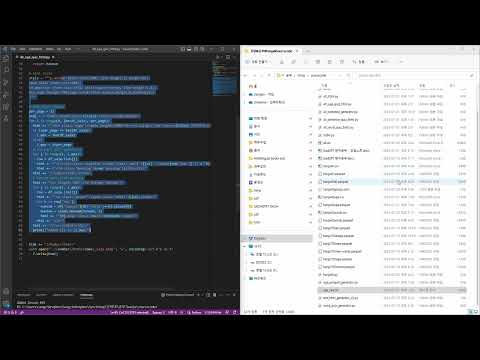
교육 및 공중보건 · Education & Public Health
요약
이 영상은 Python과 ChatGPT 또는 OpenAI API를 활용해 초등학교 4학년 수준의 한자 250자로 맞춤형 학습 자료와 인쇄용 워크북을 자동 제작하는 과정을 설명한다. 한자 자료와 사전 정보를 수집한 뒤 유사도 기반으로 학습 단원을 구성하고, 생성형 AI로 예문과 퀴즈를 만든 다음 HTML과 PDF로 편집해 실물 교재로 출력했다.
핵심 내용
- 공식 Excel 파일에서 초등학교 4학년 한자 250자를 추출하고, Python의 requests와 pandas를 사용해 온라인 한자 사전에서 뜻, 음, 획수, 부수 및 구성 요소, 유의어와 반의어 등의 정보를 수집했다.
- 공통 부수와 구성 요소, 정의의 중복, 유의어와 반의어 관계를 반영하는 similarity_score 함수를 만들고 250자 전체의 유사도 행렬을 계산했다. 이후 10자씩 25개 그룹으로 나누고, 탐욕적 배정과 반복적인 쌍 교환 최적화를 적용해 그룹 내부 유사도를 높였다.
- 대상 한자가 포함된 한자어와 사자성어를 수집하고, 최대 난이도가 4학년 수준을 넘지 않도록 필터링했다. 일부 어휘와 복잡한 사자성어에는 학년 정보가 없어 제외 로직이 필요했다네? Wait typo. Need fix.
- 권장 독자
- 부모, 교사, 언어 학습자, 교육 자료 자동화에 관심 있는 프로그래머 및 연구자
- 범위와 한계
- 이는 영상에서 제시된 제작 절차와 사례에 대한 요약이다. 자료의 교육 효과, 한자 정보의 정확성, 스크래핑 데이터의 완전성, 생성 문장의 자연스러움과 형식 준수 여부를 독립적으로 검증한 연구 결과는 제시되지 않았다. ChatGPT는 때때로 부자연스러운 표현을 만들거나 형식을 따르지 않았으며, 제작자는 소프트웨어 개발 전문가가 아니어서 Python 코드의 상당 부분을 ChatGPT에 의존했다고 설명했다.
- 연구 맥락
- 이 내용은 생성형 AI, 데이터 처리, 자동 문서화 기술을 교육 자료 개발과 학습 평가 설계에 연결하는 교육 및 공중보건 주제와 중립적으로 관련된다.
Summary
The video describes a workflow for automatically creating customized Hanja study materials and a printed workbook for elementary school students using Python and ChatGPT or the OpenAI API. After collecting character and dictionary data, the presenter groups characters by similarity, generates example sentences and quizzes with a language model, and formats the materials as HTML and PDF for printing.
Key points
- The workflow extracted 250 Grade 4 Hanja characters from an official Excel file and collected meanings, readings, stroke counts, radicals and components, synonyms, and antonyms from an online Hanja dictionary using Python tools including requests and pandas.
- A similarity_score function incorporated shared radicals or components, overlapping definitions, and synonym or antonym relationships. A full similarity matrix was created, followed by greedy assignment and iterative pairwise-swap optimization to organize the characters into 25 groups of 10 with higher internal similarity.
- Compound words and Four-Character Idioms containing the target characters were collected and filtered so that the maximum difficulty did not exceed Grade 4. Some vocabulary and complex idioms lacked grade-level metadata and therefore required exclusion logic.
- Audience
- Parents, educators, language learners, programmers, and researchers interested in educational-material automation
- Scope and limitations
- This summary is limited to the procedures and examples reported in the video. The source does not present independent validation of educational effectiveness, character-data accuracy, completeness of the scraped data, or the naturalness and formatting compliance of generated sentences. The presenter reported that ChatGPT sometimes produced unnatural phrasing or failed to follow required formats, and that substantial portions of the Python logic were generated with ChatGPT because the presenter was not an expert software developer.
- Research context
- The content has a neutral thematic connection to education and public health through its use of generative AI, data processing, and automated document production for educational materials and learning assessment design.