Video
Zettelkasten을 왜 이용해야 하는가 - AI툴 리뷰논문 작성 수업
YouTube에서 보기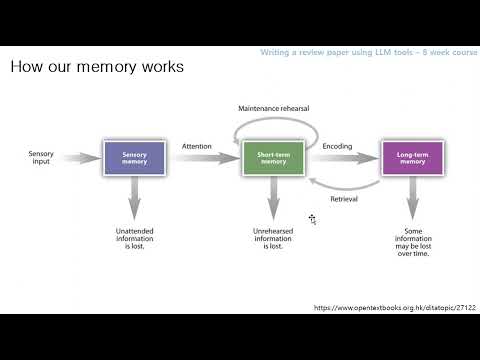
교육 및 공중보건 · Education & Public Health
요약
이 영상은 연구에서 지식 보존과 아이디어 생성을 지원하기 위한 제텔카스텐 방법과 Obsidian 기반 디지털 메모 체계를 설명한다. 강의의 핵심 주장은 AI 도구가 문헌 검색과 요약을 빠르게 수행하더라도, 연구자가 정보를 주의 깊게 부호화하고 서로 연결하며 반복적으로 인출하지 않으면 지식이 장기적으로 유지되거나 새로운 아이디어로 전환되기 어렵다는 것이다.
핵심 내용
- 영상은 감각 기억, 작업 기억, 장기 기억, 인출, 간격을 둔 인출을 연결하는 인지 모형을 제시한다. 장기 기억으로의 부호화에는 집중, 개념 구조화, 추상화, 시각적 표현 또는 의미 표지가 필요하다고 설명한다.
- 제텔카스텐은 하나의 개념만 담는 원자적 메모, 고유 식별자, 색인, 상호 참조, 임시 메모, 반복적 검토와 재구성을 핵심 요소로 한다.
- Obsidian 워크플로는 일일 메모, 문헌에서 선별한 참고 메모, 단일 개념의 원자적 메모, 주제별 색인 메모, 논문이나 기타 산출물의 초안을 위한 제작 메모의 다섯 범주로 구성된다. 템플릿은 출처, 주제, 관련 메모, 파생 아이디어 등의 항목을 일관되게 기록하도록 돕는다ها.
- 권장 독자
- 디지털 LLM 도구를 활용해 문헌을 정리하고 학술적 글쓰기를 수행하려는 연구자, 대학원생, 학술 저자에게 적합하다.
- 범위와 한계
- 이 내용은 Sangzin Ahn YouTube의 강의 영상과 슬라이드에서 제공된 설명과 사례에 기반한다. 제텔카스텐이 기억력, 검색 편향, 생산성 또는 연구 아이디어 생성을 실제로 얼마나 개선하는지에 대한 대조 연구, 정량적 결과, 체계적 검토 또는 독립적인 검증 자료는 제시되지 않는다. 원자적 메모의 적절한 세분화 수준은 개인의 판단과 실험에 의존한다.
- 연구 맥락
- 이 주제는 교육 및 공중보건 연구에서 디지털 도구를 활용한 지식 관리, 문헌 종합, 연구자 학습을 탐색하는 맥락과 연결된다.
Summary
This video explains the Zettelkasten method and an Obsidian-based digital note system for retaining knowledge and generating ideas in research. Its central argument is that although AI tools can rapidly search and summarize literature, information is less likely to remain retrievable or support novel ideas unless researchers actively encode, connect, and repeatedly retrieve it.
Key points
- The video presents a cognitive model linking sensory memory, working memory, long-term memory, retrieval, and spaced retrieval. It states that long-term encoding requires focused attention, conceptual structuring, abstraction, visual representation, or semantic tagging.
- Zettelkasten is described as a system built around atomic notes containing one concept, permanent identifiers, indexes, cross-references, fleeting notes, and ongoing review and restructuring.
- The Obsidian workflow has five categories: daily notes, reference notes selectively extracted from sources, atomic notes focused on one concept, topic or index notes that organize themes, and production notes for drafting papers or other outputs. Templates support consistent recording of sources, topics, related notes, and derived ideas.
- Audience
- The intended audience is academic researchers, graduate students, and scholarly writers who use digital LLM tools to organize literature and produce academic writing.
- Scope and limitations
- The content is based on explanations and examples provided in the Sangzin Ahn YouTube lecture and slides. It does not provide controlled studies, quantitative outcomes, systematic reviews, or independent validation of the effects of Zettelkasten on memory, search bias, productivity, or research idea generation. The appropriate granularity of atomic notes is presented as subjective and requiring individual experimentation.
- Research context
- This topic has a thematic connection to education and public health research on digital knowledge management, literature synthesis, and researcher learning.