Video
chrome pdf to notebooklm 플러그인 개발 경험 (2026.2)
YouTube에서 보기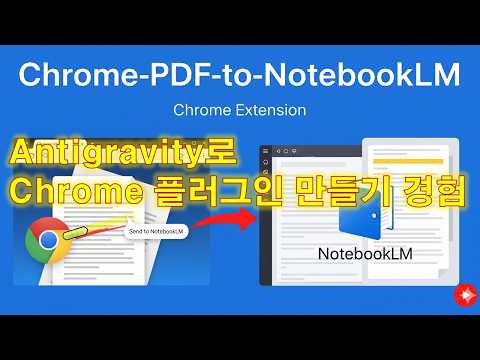
의료 AI 및 데이터과학 · Medical AI & Data Science
요약
이 영상은 온라인 PDF 또는 학술 논문 URL을 Google NotebookLM으로 보내고, 오디오 개요와 인포그래픽 등 멀티미디어 산출물 생성을 자동화하는 맞춤형 Chrome 확장 프로그램의 개발 및 시연을 다룬다. 확장 프로그램은 현재 브라우저 탭의 논문 또는 PDF URL을 감지하고, NotebookLM 노트북 생성, PDF 추가, 산출물 생성 과정을 순차적으로 실행한다.
핵심 내용
- 확장 프로그램은 arXiv와 Springer 같은 저장소 및 저널 사이트를 고려한 URL 분석 로직을 포함하며, 설정, 소스 추가, PDF 처리, 산출물 생성, 완료 상태를 표시한다.
- 사용자는 Deep Dive, Brief, Critique, Debate와 같은 오디오 형식, 언어, 길이, 사용자 지정 시스템 프롬프트를 설정할 수 있다. 생성 가능한 산출물에는 오디오, 비디오, 보고서, 퀴즈 및 플래시카드, 마인드맵, 인포그래픽, 슬라이드 자료, 데이터 표가 포함된다.
- 개발에는 Google Antigravity의 에이전트형 코딩 환경이 사용되었고, Claude 및 Gemini 모델과 함께 VS Code용 OpenAI Codex 확장이 코드 검토, 버그 수정, 리팩터링을 위한 보조 도구로 활용되었다. 영상은 복잡한 디버깅에서 여러 도구를 함께 사용하는 과정을 설명한다.
- 권장 독자
- 논문을 자주 읽고 NotebookLM을 활용하는 연구자, 학자, 학생, 실무자와 에이전트형 AI 코딩 환경을 이용해 브라우저 확장 프로그램을 개발하려는 개발자를 대상으로 한다.
- 범위와 한계
- 이 요약은 제공된 영상의 추출 근거 노트만을 바탕으로 하며, 확장 프로그램의 실제 성능, 보안, 개인정보 보호, NotebookLM 백엔드의 안정성 또는 생성된 산출물의 정확성을 독립적으로 검증하지 않는다. 영상에서 언급된 제한점으로는 복잡한 다단계 디버깅과 정밀한 리팩터링에서 Antigravity 에이전트가 어려움을 보일 수 있다는 점, OpenAI Codex 및 GPT 계열 모델을 사용하려면 별도 확장이 필요하다는 점, Antigravity의 내장 GPT OSS 모델 성능에 대한 부정적 평가, 최초 개발자 모드 설치의 상대적 번거로움이 있다.
- 연구 맥락
- 이 주제는 의료 문헌의 수집, 변환, 요약 및 학습 지원을 위한 AI 기반 데이터 처리와 연결되는 주제로서 Sangzin Ahn의 포트폴리오를 이해하는 중립적 맥락을 제공한다.
Summary
This video presents the development and demonstration of a custom Chrome extension that sends an online PDF or academic paper URL to Google NotebookLM and automates the generation of multimedia artifacts, including audio overviews and infographics. The extension detects a paper or PDF URL in the active browser tab and sequentially creates a NotebookLM notebook, adds the PDF source, and initiates artifact generation.
Key points
- The extension includes URL parsing logic for repositories and journal sites such as arXiv and Springer, and displays progress through setup, source addition, PDF processing, artifact generation, and completion.
- Users can configure audio formats such as Deep Dive, Brief, Critique, and Debate, as well as language, length, and custom system prompts. Available artifact types include audio, video, reports, quizzes and flashcards, mind maps, infographics, slide decks, and data tables.
- Development used Google Antigravity as an agentic coding environment, with Claude and Gemini models, supplemented by the OpenAI Codex extension for VS Code for code review, bug fixing, and refactoring. The video describes using multiple tools for complex debugging.
- Audience
- The intended audience includes researchers, academics, students, and professionals who frequently read papers and use NotebookLM, as well as developers interested in building browser extensions with agentic AI coding environments.
- Scope and limitations
- This summary is based only on the supplied extracted evidence notes from the video. It does not independently verify the extension's performance, security, privacy, NotebookLM backend reliability, or the accuracy of generated artifacts. Limitations stated in the video include occasional difficulty with complex multistep debugging and precise refactoring by Antigravity agents, the need for a separate extension to use OpenAI Codex and GPT models, a negative assessment of Antigravity's built in GPT OSS model, and some initial friction with manual installation in Chrome Developer Mode.
- Research context
- This topic provides a neutral connection to Sangzin Ahn's portfolio through AI based processing of medical literature for collection, transformation, summarization, and learning support.